Grade B Pallets
Standard quality for everyday operations
Get a Free Quote
Fill out the form below and a partner supplier will follow up with a quote
The Workhorse of the Pallet World
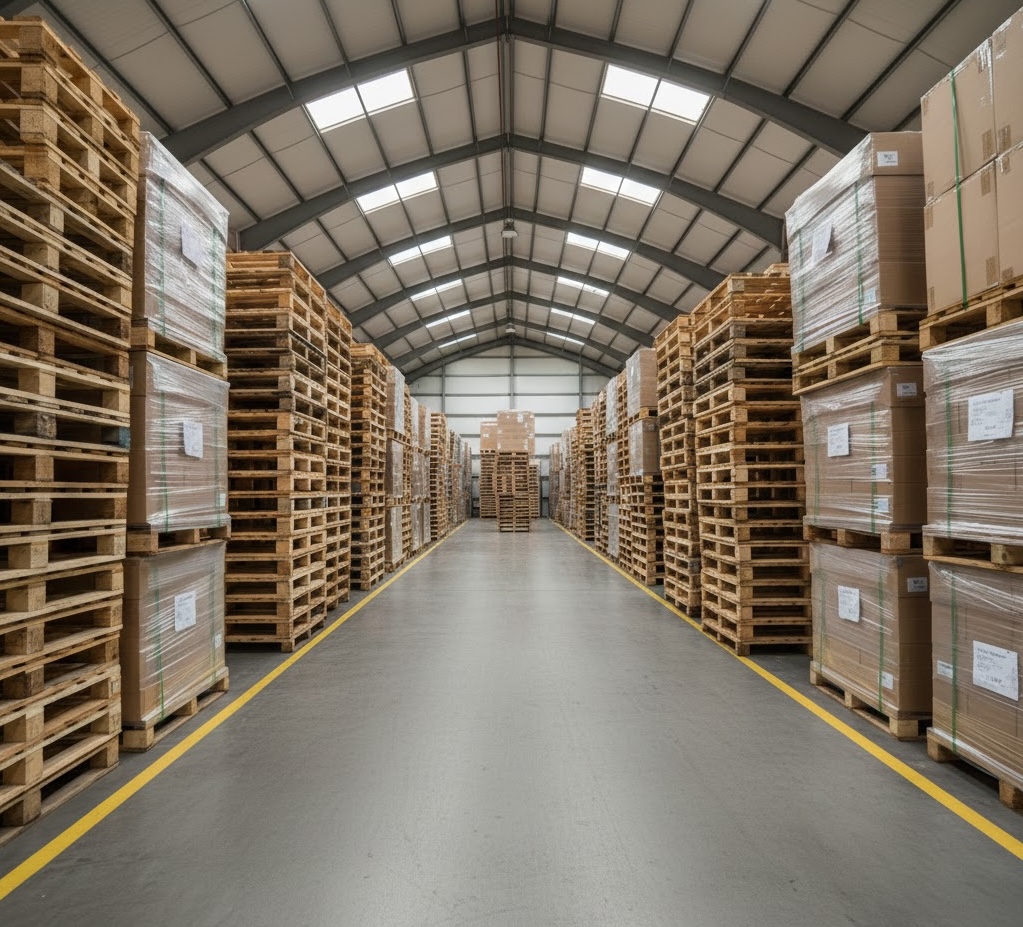
Grade B pallets are the middle ground in the pallet market—where quality meets affordability. These pallets have been previously used but keep their structural integrity and load-bearing ability. They offer good value for businesses that want reliable performance without paying for new pallets.
Partner suppliers inspect Grade B pallets before sale. While they may show cosmetic wear such as minor staining, weathering, or board discoloration, these imperfections don't compromise functionality. Many warehouse managers choose Grade B pallets because they are proven performers that have already been through use cycles.
Grade B pallets are a common choice for distribution centers, manufacturing facilities and logistics operations where appearance is secondary to performance. Tell us the size and quantity you need, and a partner supplier in our network follows up with pricing and availability.
Grade B Specifications
- Minor cosmetic wear and weathering
- All boards present and secure
- No major structural damage
- May have minor staining
- Repaired pallets included
- Full load-bearing capacity
Typical Grade B Characteristics
| Board Condition | Mostly intact, minor repairs acceptable |
| Stringer Condition | Solid, no major splits |
| Missing Boards | None (all positions filled) |
| Loose Boards | Few, and repairable |
| Protruding Nails | None allowed (all secured) |
| Previous Use | Reused pallet; some may include repairs |
Ideal Applications
Grade Comparison Matrix
| Feature | Grade A | Grade B | Grade C |
|---|---|---|---|
| Condition | Premium | Standard | Economy |
| Cosmetic Quality | Excellent | Good | Fair |
| Best Use Case | Display, Export | Warehousing | One-way Ship |
| Repair Needs | Rare | Occasional | Frequent |
Common Sizes
Availability depends on partner suppliers.
Industry-Specific Recommendations
Warehousing & Storage
Grade B pallets are a common choice for warehouse operations. With proper racking systems and care, they can give long, reliable service at a moderate cost.
Recommended Specs:
- • Standard 48×40 GMA size
- • 4-way entry for forklift access
- • Load rating matched to your heaviest loads
- • Regular inspection for damage
Manufacturing
Perfect for production lines and work-in-progress staging. Grade B pallets withstand the rigors of manufacturing environments while keeping costs manageable.
Best Practices:
- • Use block pallets for heavy machinery
- • Implement color-coding system
- • Rotate stock to extend lifespan
- • Keep staging areas dry and clean
Distribution Centers
High-velocity distribution operations benefit from Grade B reliability without the new pallet premium. Ideal for cross-docking and regional distribution.
Optimization Tips:
- • Match pallet size to truck dimensions
- • Establish repair program for damaged units
- • Track pallet lifecycle metrics
- • Sell or recycle surplus pallets through partner suppliers
Retail Operations
Back-of-house storage and receiving areas are perfect applications. Grade B pallets provide professional appearance while maintaining budget control.
Retail Applications:
- • Stockroom organization
- • Receiving dock operations
- • Seasonal merchandise storage
- • Vendor direct deliveries
Typical Inspection Points
What Partner Suppliers Typically Check
Structural Integrity Check
All stringers and blocks verified for cracks, splits, or damage
Board Count Verification
Ensure all deck boards are present and properly positioned
Fastener Inspection
Check nails/screws for security, remove or re-drive protruding fasteners
Load Surface Assessment
Verify top deck provides stable, level loading surface
Bottom Board Check
Inspect bottom boards for support and forklift entry clearance
Dimensional Accuracy
Confirm pallet matches the specified size
Moisture Content Test
Check that wood is dry enough for storage and shipping
Repair Quality Review
Verify any repairs meet industry standards and are secure
Contamination Screening
Check for chemical spills, excessive staining, or foreign materials
Fork Entry Verification
Ensure adequate clearance for 4-way forklift access
Deck Stability
Check that the pallet sits flat and does not rack or wobble
Final Grading
Overall condition assessment and grade classification
Care & Maintenance Guidelines
Extending Pallet Lifespan
Proper Storage
Store pallets in covered, dry areas when not in use. Avoid prolonged exposure to rain, snow, or direct sunlight. Keep empty stacks stable and within safe stacking limits.
Load Distribution
Center loads on the pallet and distribute weight evenly. Avoid concentrated loads that stress individual boards. Keep loads within the pallet's rated capacity.
Handling Best Practices
Insert forks fully into pallet openings. Lift straight up—don't drag or push at angles. Avoid dropping pallets or hitting rack uprights during placement.
Regular Rotation
Implement FIFO system to ensure even wear across your pallet fleet. Rotate pallets from high-stress applications (shipping) to lower-stress uses (storage) as they age.
When to Repair vs. Replace
REPAIR - Worth Fixing
- • 1-2 damaged or loose deck boards
- • Single broken stringer (remaining structure intact)
- • Missing fasteners or protruding nails
- • Minor cracks less than 1/3 stringer depth
- • Overall condition still Grade B quality
Repair is available through partner suppliers; pricing is by quote
REPLACE - Too Damaged
- • Multiple broken stringers or blocks
- • More than 3 missing or broken deck boards
- • Severe warping affecting load stability
- • Deep cracks compromising structure
- • Contamination with chemicals or mold
Replacement cost typically lower than extensive repairs
Preventive Maintenance Schedule
Visual inspection during use - remove damaged pallets from rotation
Sort inventory - identify pallets needing repair or replacement
Deep cleaning and comprehensive condition assessment of fleet
Full fleet audit - retire end-of-life pallets, refresh inventory
Ready to Request Grade B Pallets?
Grade B pallets offer a good balance of quality and value. Pricing is by quote from partner suppliers.
Free, no-obligation quote request • A partner supplier follows up • Delivery available through partner suppliers