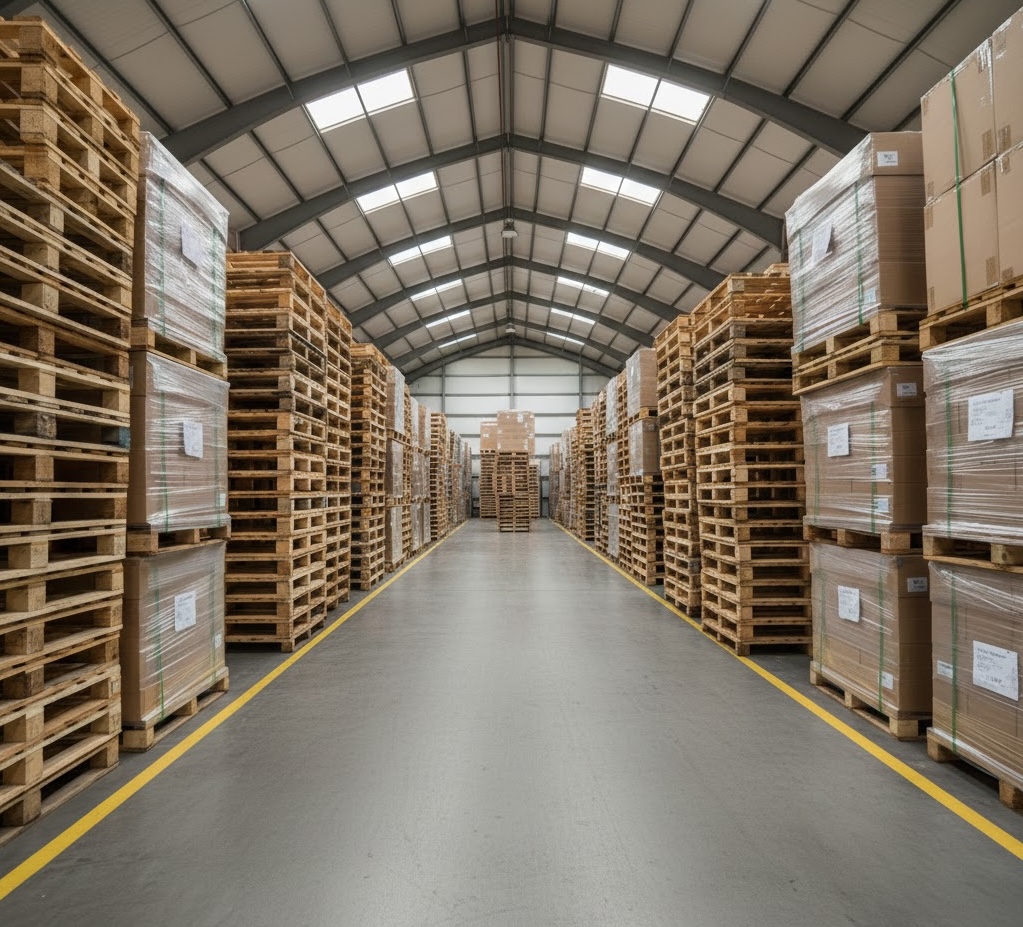
Heat Treated Pallets
ISPM 15 compliant pallets for international shipping
Get a Free Quote
Fill out the form below and a partner supplier will follow up with a quote
Heat Treated for Export Shipping
Heat-treated pallets are built to meet ISPM 15 (International Standards for Phytosanitary Measures) for international shipping. The wood is treated to kill pests and the pallet is stamped with the ISPM 15 mark. Wood packaging that doesn't meet a destination's rules can be held, treated or refused at the border, causing delays and added costs.
The heat treatment process heats wood to a core temperature of 56°C (132.8°F) for a minimum of 30 continuous minutes. This kills insects and larvae in the wood that could spread invasive species across borders. Unlike fumigation with methyl bromide, heat treatment uses no fumigant chemicals.
Compliant heat-treated pallets carry the IPPC (International Plant Protection Convention) mark, which includes the country code (US), a producer or treatment provider number, and the HT designation. Customs officials look for this mark on wood packaging.
We pass your request to partner suppliers in our network who supply stamped heat-treated pallets. HT pallets can be requested new or reconditioned, so you can match your budget while meeting export rules.
ISPM 15 Basics
- Heat treated to 56°C core temperature
- Minimum 30-minute treatment time
- IPPC mark with HT designation
- Mark applied by a registered treatment provider
- Ask about documentation in your quote request
Export Destinations
Many countries apply ISPM 15 to wood packaging in international trade. Rules and enforcement vary by destination, so check current regulations for the country you are shipping to.
Request HT QuoteWhat is ISPM 15?
ISPM 15 is an international phytosanitary measure that regulates wood packaging material in international trade. It aims to prevent the spread of invasive insects and plant diseases.
Heat treatment (HT) heats the wood to a core temperature of 56°C for at least 30 minutes, eliminating any pests without using chemicals.
Heat Treatment at a Glance
| Treatment Method | Kiln heat treatment (HT) |
| Core Temperature | Minimum 56°C (132.8°F) |
| Treatment Duration | Minimum 30 continuous minutes |
| IPPC Stamp | Official mark with country code, producer ID, HT designation |
| Fumigants | None (heat only) |
| Pallet Options | New or reconditioned, through partner suppliers |
| Destination Rules | Vary by country; check current regulations |
| Documentation | Ask partner suppliers about treatment records |
IPPC Stamp Decoded
US: Country code (United States)
XX-YYY: Producer registration number
HT: Heat treatment designation
Each element is required for customs clearance
Why Heat Treatment?
- • Kills insects and larvae in the wood
- • No fumigant chemicals
- • Recognized under ISPM 15
Ordering HT Pallets
New HT Pallets:
Built and treated by partner suppliers
Reconditioned HT:
Subject to partner supplier availability
Lead time and pricing come with the partner supplier's quote
The Heat Treatment Process
How Heat Treatment Typically Works
Selection & Prep
Pallets inspected and prepared for treatment chamber
Temperature Probes
Core temperature sensors inserted into sample pallets
Kiln Treatment
Heat to 56°C core temperature for 30+ minutes
Data Logging
Continuous monitoring and documentation
Cool Down
Controlled cooling to prevent warping
IPPC Stamping
Mark applied under a registered treatment program
Documentation
Treatment certificates generated
Final Inspection
Quality check before shipment
Care & Maintenance for HT Pallets
Maintaining Certification
🛡️ Protect the Stamp
The IPPC mark must remain visible. If the stamp is damaged, obscured, or removed during repairs, the pallet may no longer be accepted as compliant.
🔄 Avoid Contamination
Once treated, keep HT pallets away from untreated wood, soil, or outdoor storage that could introduce new pests.
🔨 Repair Guidelines
Repairs using untreated wood can affect compliance. Use heat-treated replacement components and check current regulations.
📦 Storage Best Practices
Store in clean, dry areas. Cover storage prevents stamp fading and protects from environmental contamination.
When to Replace HT Pallets
❌ Replace Immediately:
- • IPPC stamp is missing or illegible
- • Repaired with untreated wood
- • Exposed to soil or pest contamination
- • Structural damage compromising integrity
- • Multiple broken stringers or boards
✅ Safe to Continue:
- • Minor cosmetic wear (stamp visible)
- • Previously repaired with HT components
- • Normal weathering from storage
- • Slight fading (stamp still readable)
⚠️ When in doubt, replace it!
Replacing a doubtful pallet is usually cheaper than dealing with a held or rejected shipment.
Documentation & Record Keeping
Treatment Certificates
Request copies for your records. Some countries require this documentation.
Photo Documentation
Photograph IPPC stamps before shipping as proof of compliance.
Supplier Records
Maintain records of HT pallet purchases for audit purposes.
Good record-keeping speeds customs clearance and protects against compliance audits.
Request ISPM 15 Heat-Treated Pallets
Partner suppliers in our network can supply stamped heat-treated pallets for export shipments. Free, no-obligation quote request; a partner supplier follows up.